Dog Bingo Game Printable Fun Kids: Strategic Value in Entertainment and Engagement
Understanding the Strategic Use of Dog Bingo Game Printable Fun Kids
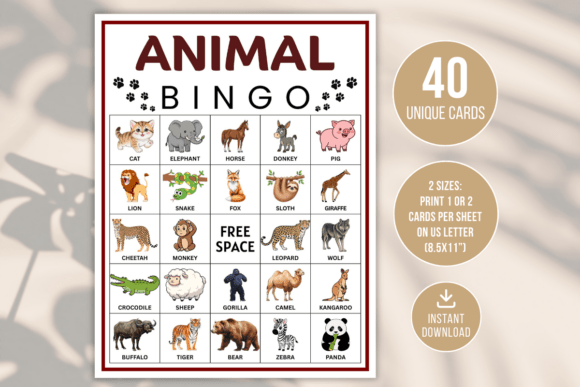
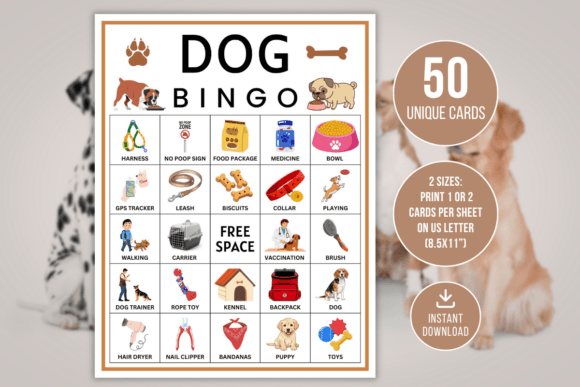
The Dog Bingo Game Printable Fun Kids is more than a quick activity—it’s a tool for engagement, learning, and creative interaction. Designed for instant play with minimal preparation, this printable game offers flexibility for educators, event planners, and families seeking structured yet enjoyable experiences. At its core, it’s a bingo-style game with dog-themed visuals, offering 50 unique cards, 30 calling cards, and multiple layout options to suit different settings.
What makes the Dog Bingo Game Printable Fun Kids particularly valuable is its adaptability. Whether used in a classroom setting to reinforce vocabulary, at a birthday party to entertain guests, or as a bonding activity at home, the game’s structure encourages participation without requiring extensive setup. This makes it a practical option for professionals and parents who need reliable, time-efficient resources.
How Dog Bingo Game Printable Fun Kids Supports Engagement and Learning
For educators and homeschoolers, the Dog Bingo Game Printable Fun Kids can serve as a supplemental tool to enhance vocabulary, visual recognition, and listening skills. By incorporating themed elements—like different dog breeds or pet-related terms—the game introduces learning within a playful context. It encourages children to focus, follow instructions, and respond quickly, all of which are valuable cognitive skills.
- Use in language learning to reinforce dog-related vocabulary
- Integrate into science lessons about animal breeds or pet care
- Encourage teamwork through group play formats
Event planners and marketers can also find strategic value in the Dog Bingo Game Printable Fun Kids. For example, at pet-themed events or community outreach programs, the game can serve as an interactive brand touchpoint. Customizing the game with a logo or message—printed on the calling cards or included instructions—can subtly reinforce brand awareness while delivering a memorable experience.
Strategic Planning: When and How to Use Dog Bingo Game Printable Fun Kids
Successful use of the Dog Bingo Game Printable Fun Kids requires more than just printing and playing. Strategic planning ensures the game aligns with broader goals, whether educational, social, or promotional. Consider the following factors before implementation:
- Audience: Is the group composed of young children, mixed-age families, or pet enthusiasts? Adjust the difficulty level and calling card content accordingly.
- Setting: Will the game be played in a quiet classroom or a lively party? Choose the appropriate layout (1 card per page or 2 cards per page) based on available space and attention span.
- Duration: How long should the game last? Adjust the number of calling cards used to match the event’s timeline.
- Objectives: Is the goal to entertain, educate, or engage? Align the game’s use with measurable outcomes, such as increased participation or knowledge retention.
For educators, integrating the Dog Bingo Game Printable Fun Kids into lesson plans can offer a break from traditional instruction while reinforcing learning. A teacher introducing a unit on animals might use the game to assess students’ familiarity with dog breeds or pet terminology. Similarly, a homeschool parent could use the game to encourage social interaction among children in a co-op setting.
Maximizing Value Through Intentional Use
Using the Dog Bingo Game Printable Fun Kids without a clear purpose may limit its impact. To maximize value, it’s essential to approach the game with intention. For example, in a marketing context, simply offering the game at an event may entertain guests, but not necessarily drive brand recall. However, by customizing the cover tokens or including a branded thank-you note with the download, businesses can create a more memorable experience.
Similarly, in an educational setting, the game can be more than a reward activity. Teachers can use it to assess comprehension by calling out clues instead of direct answers. Instead of saying “Poodle,” they might say, “This dog has curly white fur and is often shown in dog shows,” prompting students to think critically before marking their cards.
Potential Risks and Considerations
While the Dog Bingo Game Printable Fun Kids is designed for ease of use, relying on it without considering the audience or context can lead to disengagement. For example, using the game with older children who find it too simplistic may result in boredom. Conversely, using complex vocabulary with younger players might cause confusion and frustration.
Another consideration is accessibility. The game is available as a printable PDF, which means users must have access to a printer and basic supplies like tokens or markers. While this is typically manageable, it may pose a barrier in low-resource environments. In such cases, digital alternatives or shared printing arrangements may be necessary.
Long-Term Utility and Reusability
One of the strongest strategic advantages of the Dog Bingo Game Printable Fun Kids is its reusability. Once downloaded, the game can be printed multiple times for different events, classrooms, or family gatherings. This makes it a cost-effective investment compared to disposable party games or single-use educational materials.
For educators, having a ready-to-go activity like Dog Bingo can serve as a backup plan for unexpected schedule changes or early finishers. For families, it can become a go-to weekend activity that requires minimal effort yet delivers consistent engagement. And for small businesses or nonprofits, the ability to reuse the game across events reduces the need for repeated purchases or design work.
Conclusion: A Thoughtful Approach to Engagement
The Dog Bingo Game Printable Fun Kids is a versatile resource that, when used intentionally, can support a range of strategic goals. Whether enhancing a lesson plan, fostering community at an event, or simply providing structured fun at home, its value lies in how it’s implemented—not just in its availability.
By aligning the game with specific outcomes, audiences, and contexts, users can transform a simple printable into a meaningful engagement tool. The key is to treat it not as a random activity, but as a purpose-driven resource that contributes to larger plans and experiences.