Enhance Early Learning with the Letter Recognition Alphabet Match Game
Introducing young learners to the alphabet is a foundational step in their educational journey. The Letter Recognition Alphabet Match Game offers a dynamic and interactive way to teach uppercase and lowercase letters, number recognition, and visual discrimination—all while keeping children engaged through hands-on play. This printable 3-layer decoder is more than just a learning tool; it's a versatile resource that fits seamlessly into preschool, kindergarten, and early elementary classrooms, as well as homeschool environments.
What Makes the Letter Recognition Alphabet Match Game Unique?
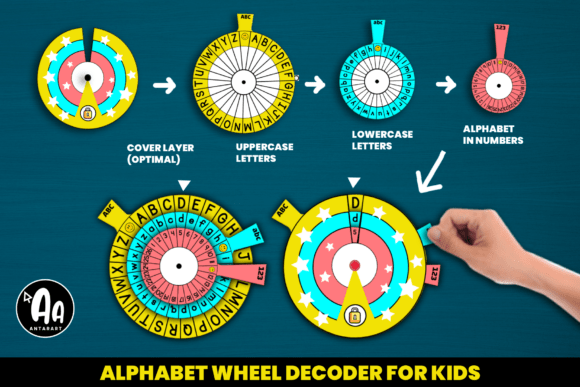
At its core, this game is designed to promote active learning. Unlike passive worksheets or rote memorization, the interactive spinner wheel format encourages children to physically engage with the material. By spinning the wheel and matching uppercase and lowercase letters along with corresponding numbers (1–26), students develop critical cognitive and motor skills simultaneously.
The game includes the full alphabet from A to Z in both uppercase and lowercase forms, paired with numbers that align with each letter’s position in the alphabet. This clever design not only reinforces letter recognition but also introduces early numeracy concepts in a natural, integrated way.
How the Game Works
The spinner wheel is easy to assemble and use. After printing the PDF or JPG template, educators or parents can cut out the layers and assemble them into a rotating decoder. Each spin reveals a new challenge, prompting the child to locate the matching uppercase and lowercase letters and identify the corresponding number. This process reinforces multiple skills at once:
- Letter matching – Identifying uppercase and lowercase pairs
- Phonics readiness – Building familiarity with letter shapes and sounds
- Number identification – Linking numbers to letters for early sequencing skills
- Fine motor practice – Manipulating the spinner and handling small pieces
- Visual discrimination – Distinguishing subtle differences between similar letters
Why Hands-On Learning Works for Early Learners
Young children thrive when they can interact with their learning materials. The tactile experience of spinning the wheel, lifting layers, and visually tracking letter pairs activates multiple areas of the brain, making the learning process more memorable and enjoyable. This is especially important in the early years when attention spans are short and motivation is key.
The Letter Recognition Alphabet Match Game leverages this natural curiosity by turning learning into play. Whether used during morning bins, literacy centers, or as an early finisher activity, the game offers a structured yet playful way for children to build essential literacy skills.
Perfect for a Variety of Learning Environments
One of the standout features of this resource is its adaptability. It works exceptionally well in:
- Classroom centers – As a self-directed activity that supports independent learning
- Morning work bins – A calming, confidence-building start to the school day
- Homeschool routines – A low-prep, high-impact addition to daily lessons
- After-school enrichment – A fun way to reinforce letter and number knowledge
- Special education settings – Supports learners who benefit from multisensory instruction
Because the game is printable and requires minimal setup, it’s ideal for educators and parents looking for effective tools without the need for expensive materials or complex logistics.
Supporting Key Developmental Milestones
Letter and number recognition are key components of early childhood development. By age 5, most children should be able to recognize and name most uppercase and lowercase letters and begin associating them with sounds. The Letter Recognition Alphabet Match Game supports these milestones in a way that feels natural and enjoyable.
For example, when a child spins the wheel and lands on the letter “B,” they must locate both the uppercase B and lowercase b and match them to the number 2. This not only reinforces letter identification but also builds early sequencing skills and number sense—all while keeping the child engaged through play.
Encouraging Fine Motor Development
Assembling and manipulating the spinner wheel also promotes fine motor development. Cutting out the layers, spinning the wheel, and handling the pieces all require hand-eye coordination and dexterity. These skills are crucial for later writing and drawing tasks, making the game a valuable tool for holistic development.
Practical Benefits for Educators and Parents
Busy educators and parents often look for resources that are easy to implement, reusable, and adaptable to different learning levels. The Letter Recognition Alphabet Match Game checks all these boxes:
- Easy-cut design – Minimal prep time with clear, simple templates
- Durable and reusable – Laminating the pieces extends their lifespan
- Customizable – Can be used to focus on specific letters or numbers as needed
- Printable formats – Available in PDF, PNG, and JPG for flexibility
Whether introducing the alphabet for the first time or reinforcing letter recognition skills, this game offers a flexible solution that can grow with the child’s abilities.
How to Get the Most Out of the Game
To maximize the educational value of the Letter Recognition Alphabet Match Game, consider the following tips:
- Start with a few letters at a time – Focus on high-frequency or visually distinct letters first
- Incorporate phonics sounds – Ask the child to say the sound the letter makes as they match it
- Use it as a review tool – Reinforce letters that have already been introduced in lessons
- Pair with books or songs – Connect letter recognition with stories or music for deeper learning
- Make it a game – Challenge the child to beat their own time or complete the set
These strategies help transform a simple matching activity into a multi-sensory learning experience that supports long-term retention and engagement.
Final Thoughts
The Letter Recognition Alphabet Match Game is more than just a fun activity—it's a powerful educational tool that supports early literacy, numeracy, and motor development. Its interactive, hands-on design makes it an excellent choice for preschool through second-grade learners, whether in a classroom or home setting. With its easy preparation, reusable format, and focus on foundational skills, this spinner wheel game is a must-have for any educator or parent committed to fostering early learning success.