Engaging Children with Fingerprint Games: A Creative and Educational Experience
Exploring the Joy of Finger Painting Through Play
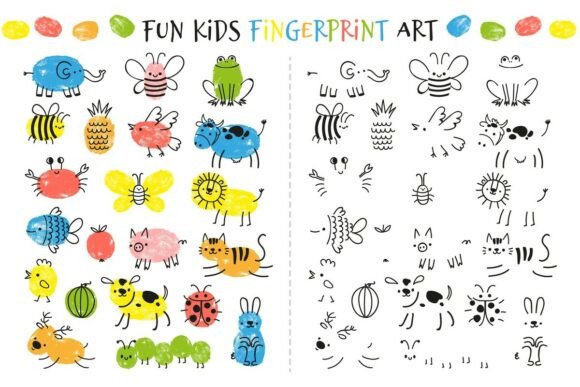
Children naturally gravitate toward tactile experiences that stimulate their senses and encourage creativity. The Fingerprint Game for Kids. Fun approach to finger painting introduces a playful yet educational method for young learners to explore art and develop fine motor skills. Using just their fingertips and non-toxic paints, kids can create imaginative doodles of animals, insects, and other familiar figures. This activity not only entertains but also nurtures cognitive development, hand-eye coordination, and self-expression.
One of the most appealing aspects of the Fingerprint Game for Kids. Fun concept is its accessibility. With minimal materials required—paint, paper, and a willingness to get messy—it’s an ideal activity for home, classrooms, or creative workshops. Educators and parents alike can guide children through structured or open-ended sessions, allowing them to explore shapes, colors, and storytelling through their artwork.
Why Fingerprint Art Resonates with Young Learners
The tactile nature of fingerprint painting appeals to children's developmental stage. It encourages them to engage directly with their environment in a sensory-rich way. Unlike traditional drawing or painting methods that may require more advanced motor control, using fingers allows even the youngest participants to express themselves freely.
- Sensory Engagement: Touch-based art stimulates multiple senses, enhancing memory retention and emotional connection.
- Motor Skill Development: Finger painting strengthens hand muscles and improves dexterity.
- Creative Confidence: Children gain confidence by seeing their ideas take shape without the pressure of perfection.
Moreover, the Fingerprint Game for Kids. Fun format allows for a wide variety of themes and subjects. From drawing a buzzing bee to a leaping frog, children can explore the animal kingdom while practicing observation and pattern recognition. These doodles can be expanded into themed projects such as a jungle safari, an insect garden, or a farmyard scene, each reinforcing learning through play.
Designing Fingerprint Art Activities for Different Age Groups
While the Fingerprint Game for Kids. Fun concept is versatile, tailoring the activity to the child's age ensures optimal engagement and learning outcomes. Younger children benefit from simple prompts and larger shapes, while older kids can handle more complex compositions and color blending techniques.
For Ages 2–4: Basic Shapes and Simple Creatures
At this stage, the focus should be on exploration rather than precision. Encourage toddlers to press their fingers into paint and create random patterns. With a little guidance, they can begin to recognize how a single fingerprint can become a ladybug or a butterfly. Parents or teachers can add eyes, wings, or legs with a marker to complete the image, making the child feel like a co-creator.
For Ages 5–7: Themed Scenes and Storytelling
Older preschoolers and early elementary students can build on their skills by creating themed scenes. For example, they might make a family of elephants using thumbprints or a group of cows with pinky prints. This stage introduces storytelling elements—children can narrate what the animals are doing, where they live, and how they interact.
For Ages 8–10: Advanced Techniques and Collaborative Projects
At this age, children can experiment with color mixing, layering, and combining fingerprints with other drawing techniques. Group projects, such as creating a class mural using fingerprint animals, foster teamwork and communication. The Fingerprint Game for Kids. Fun can also be integrated into science lessons by drawing real-life animals and discussing their habitats and behaviors.
Integrating Fingerprint Games into Educational Settings
Educators are increasingly recognizing the value of art-based learning in early childhood development. The Fingerprint Game for Kids. Fun can be seamlessly integrated into various curricula, including biology, language arts, and social-emotional learning.
- Science: Use fingerprint animals to teach about species, ecosystems, and life cycles.
- Language Arts: Encourage children to write short stories or poems about their creations.
- Emotional Development: Art provides a safe space for children to express emotions and experiences.
Moreover, fingerprint art can be used as a tool for inclusion. Children with motor challenges can participate with adapted tools or assistance, making the activity accessible to a wide range of learners. Teachers can also use digital tools to scan and digitize fingerprint drawings, allowing students to animate or print their creations.
Creating a Fingerprint Animal Collection
One popular variation of the Fingerprint Game for Kids. Fun is the creation of a personalized animal or insect collection. Children can create a series of fingerprint creatures, each labeled with its name and basic facts. Over time, this becomes a portfolio of their artistic and cognitive development.
For example, a child might create a frog using a green fingerprint and add details like eyes and legs. They could then write a short sentence describing the frog’s habitat or behavior. This process combines art, science, and literacy into a single engaging activity.
Practical Tips for Implementing Fingerprint Games at Home or School
Successfully implementing the Fingerprint Game for Kids. Fun requires a bit of preparation and flexibility. Here are some practical considerations to ensure a smooth and enjoyable experience:
- Use washable, non-toxic paints: Safety is paramount, especially with younger children who may put their fingers in their mouths.
- Provide a variety of colors: Letting children choose their own colors enhances engagement and personal expression.
- Protect surfaces: Cover tables with plastic sheets or newspapers to make cleanup easier.
- Have wipes or a water basin nearby: Quick access to cleaning supplies helps manage messes without interrupting the flow of creativity.
- Display the artwork: Hanging finished pieces on a wall or fridge boosts confidence and gives children a sense of accomplishment.
Additionally, incorporating storytelling into the process can deepen the learning experience. Ask children to describe what their fingerprint creature is doing or where it lives. This not only enhances language skills but also encourages imaginative thinking and narrative development.
From Fingerprint to Digital: Expanding the Creative Possibilities
With the rise of digital tools, the Fingerprint Game for Kids. Fun can be extended beyond physical paper. Scanning or photographing fingerprint drawings allows children to edit, animate, or print their creations using graphic design software. This opens the door to discussions about technology, design thinking, and digital literacy.
For educators and parents, turning fingerprint art into a digital project can be a fun way to bridge traditional and modern creative methods. Children can see their hand-drawn work come to life on a screen, adding a new layer of excitement and relevance to the activity.
Conclusion: The Lasting Impact of Fingerprint Games
The Fingerprint Game for Kids. Fun is more than just a creative pastime—it's a powerful educational tool that supports holistic development. By combining sensory play, artistic expression, and cognitive learning, this activity helps children build essential skills in a joyful and engaging way.
Whether used in a classroom, at home, or in a community setting, fingerprint art offers a versatile and inclusive approach to early learning. As children press, swirl, and doodle their way through imaginative worlds, they’re not only having fun—they’re laying the foundation for future creativity, confidence, and curiosity.