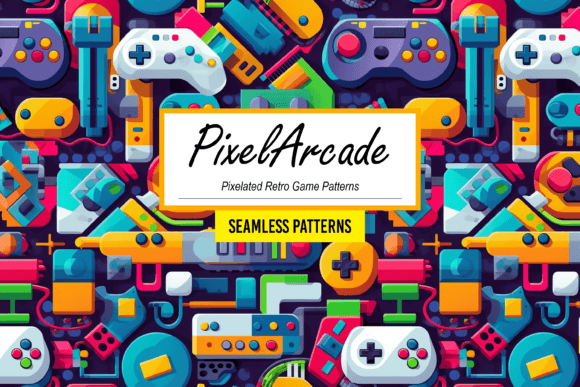
PixelArcade Pixel Retro Game Pattern: A Nostalgic Design Resource for Modern Projects
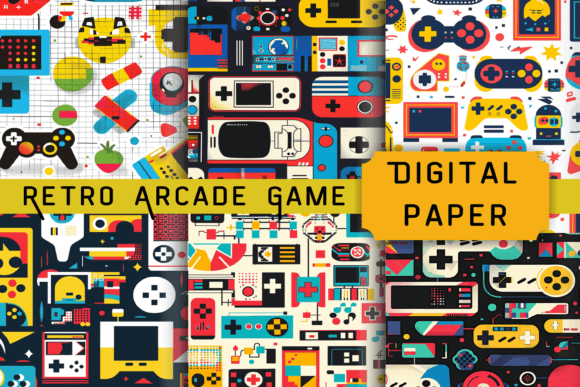
The PixelArcade Pixel Retro Game Pattern collection brings the charm of 8-bit gaming into contemporary design work. This set of 14 seamless patterns leverages a limited but vibrant color palette and bold, chunky shapes that echo the visual language of classic video games. Whether you're designing digital backgrounds, fabric prints, or stationery, these patterns offer a playful yet structured aesthetic that can enhance a variety of creative projects.
What Sets PixelArcade Pixel Retro Game Pattern Apart?
Unlike generic geometric or abstract patterns, PixelArcade is specifically inspired by retro video game graphics. The deliberate use of pixelated edges and a restrained color scheme mimics the constraints of early gaming systems, giving each design a distinct, recognizable style. The patterns are also optimized for seamless tiling, making them especially useful for backgrounds and repeating surfaces without visible seams.
Each pattern in the collection is crafted with a 1024 x 1024 pixel dimension, providing sufficient resolution for both digital and print applications. The files are high-quality, scalable, and come without watermarks, which is a notable advantage for users who want clean, professional results. Additionally, the compatibility with Canva makes it accessible for both novice and experienced designers who rely on this popular design platform.
Comparing PixelArcade with Similar Design Resources
Designers have access to a wide array of pattern libraries, from abstract vector patterns to photo-based textures. PixelArcade distinguishes itself by focusing on a very specific visual theme—retro gaming—rather than offering broad stylistic flexibility. This makes it ideal for niche applications but less versatile than general-purpose pattern sets.
For example, vector-based pattern libraries often allow for infinite color and scale adjustments, making them more adaptable across different color schemes and project types. In contrast, PixelArcade’s retro aesthetic is more fixed in appearance, which may limit its use in projects that require subtle or modern design elements. However, for creators targeting a nostalgic or youthful audience, this limitation becomes a strength.
Strengths and Tradeoffs of PixelArcade
One of the primary strengths of PixelArcade is its thematic consistency. Each of the 14 patterns shares a cohesive design language, which helps maintain visual harmony across multi-pattern projects. The ease of use, especially within Canva, streamlines the design process for users who may not have advanced graphic design skills.
- High-quality, scalable files
- Seamless tiling for background use
- Instant digital download with no shipping delays
- Commercial use rights included
However, the retro pixelated style may not suit all design contexts. For instance, luxury branding or minimalist design projects typically require cleaner, more refined visuals, which PixelArcade does not aim to provide. Additionally, while the patterns are resizable, significant enlargement beyond their original dimensions may lead to pixelation, especially in lower-resolution displays or print outputs.
Best-Use Scenarios for PixelArcade Pixel Retro Game Pattern
PixelArcade shines in applications where a retro or playful aesthetic is desired. It's particularly well-suited for:
- Custom apparel and accessories – T-shirts, phone cases, and tote bags with a nostalgic gaming theme
- Event or gaming-related branding – Promotional materials for gaming conventions, arcades, or themed parties
- Print-on-demand products – Mugs, posters, and notebooks that appeal to retro gaming enthusiasts
- Web and app design elements – Backgrounds, buttons, and UI components for games or entertainment platforms
These examples highlight how PixelArcade can be integrated into both digital and physical products with a clear thematic purpose. Designers working on children’s materials, educational games, or youth-oriented merchandise may also find these patterns to be a valuable asset.
When to Consider Alternatives
If your project requires a more neutral or universally adaptable design style, PixelArcade may not be the best fit. For example, if you're designing a corporate presentation or a high-end packaging layout, a more subdued or abstract pattern set would likely be more appropriate.
Additionally, if you prefer to create patterns from scratch or need highly customizable vector elements, you might opt for a design tool or resource that allows greater manipulation of individual elements. PixelArcade offers ready-made, cohesive designs, which is a benefit for time-sensitive or theme-specific projects but could be a drawback for those who prefer full creative control.
Practical Comparisons and Realistic Examples
Consider a designer creating a line of retro-themed t-shirts. Using PixelArcade, they can quickly apply a pixelated pattern as a background or accent without needing to recreate the 8-bit look manually. In contrast, someone using a vector pattern library might spend more time adjusting shapes and colors to achieve a similar effect.
On the other hand, a graphic designer working on a modern tech startup's website may find that PixelArcade's aesthetic doesn't align with the sleek, minimalist design language expected in that industry. In that case, opting for a flat design or abstract gradient pattern would be more appropriate.
Making an Informed Choice
Selecting the right pattern set depends on the project's goals, target audience, and design context. PixelArcade Pixel Retro Game Pattern is a strong contender for anyone looking to infuse their work with the unmistakable charm of 8-bit gaming culture. Its ease of use, thematic consistency, and compatibility with Canva make it a practical choice for both casual and professional designers.
However, it's important to evaluate whether the retro pixelated aesthetic aligns with your broader design strategy. If it does, PixelArcade can save time and deliver visually engaging results. If not, exploring other pattern categories or design tools may lead to a better outcome.