Fantasy Game Icons: Cartoon Medieval – A Practical Guide for Real Users
What Exactly Are Fantasy Game Icons. Cartoon Medieval?
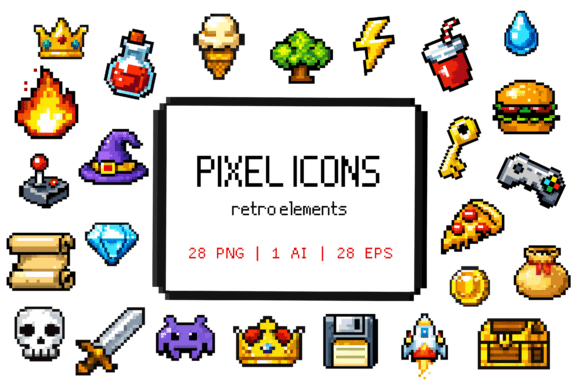
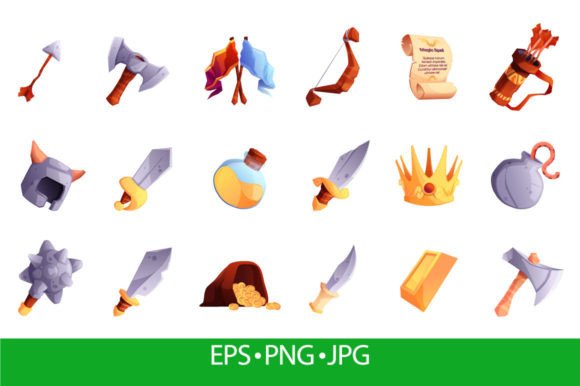
Fantasy Game Icons. Cartoon Medieval is a set of stylized, whimsical, and easy-to-recognize visual elements designed for games, apps, and digital interfaces that revolve around medieval and fantasy themes. These icons often include swords, shields, potions, treasure chests, flags, and scrolls, all drawn in a playful, cartoonish style.
They're not just decorative—they're functional. Whether you're building a mobile RPG, designing a website with a fantasy theme, or creating educational content for kids, these icons help users understand what's going on without needing long explanations.
Where and Why People Use Cartoon Medieval Game Icons
The appeal of Fantasy Game Icons. Cartoon Medieval lies in their ability to convey meaning quickly and clearly while fitting into a wide range of projects. Here are some real-world situations where these icons make a difference:
1. Mobile and Desktop RPGs
Game developers—especially indie creators—often use these icons to represent in-game items like potions, weapons, or spells. The cartoon style makes the game more approachable, especially for casual players or younger audiences.
For example, a bright red potion icon tells players it’s a healing item, while a glowing sword hints at power or combat readiness. These visual cues reduce the need for text and make gameplay smoother.
2. Educational Tools and Kids’ Apps
Teachers and content creators building apps for children often choose cartoon medieval icons to make learning more engaging. A history lesson about knights might use a shield icon to represent a quiz or a scroll to indicate reading material.
The visual style is friendly and non-threatening, which helps keep kids focused and interested. It also works well for gamified learning platforms where progress is tracked through achievements and unlocked items.
3. Web and UI Design
Websites with a fantasy or historical theme—like a blog about medieval history or a D&D community—can use these icons to enhance navigation. A treasure chest icon might represent a "downloads" section, while a magic potion could symbolize exclusive content or a members-only area.
Flat design icons are especially useful in modern UI because they load quickly, scale well on different devices, and maintain clarity at any size.
4. Marketing and Branding for Niche Products
Entrepreneurs launching fantasy-themed products—like board games, merchandise, or subscription boxes—often use these icons in promotional materials. They help establish a visual identity that resonates with fans of the genre.
For instance, a startup selling medieval-themed snacks might use a gold coin icon on its packaging or website to suggest rarity or indulgence. It’s a small touch that helps build brand recognition and emotional connection.
Who Benefits Most from Using Fantasy Game Icons. Cartoon Medieval?
These icons are incredibly versatile, so they appeal to a wide variety of users:
- Indie game developers: Looking for affordable, ready-made assets to prototype or launch a game quickly.
- Freelance designers: Needing to build a themed website or app interface without starting from scratch.
- Content creators: Making YouTube thumbnails, social media graphics, or course materials that need a fantasy flair.
- Educators: Wanting to make lessons more interactive and visually stimulating for students.
- Small business owners: Selling themed merchandise and looking for cohesive branding visuals.
How to Choose the Right Set of Icons for Your Project
Not all icon sets are created equal. Here are a few practical things to consider before downloading or purchasing Fantasy Game Icons. Cartoon Medieval:
1. File Formats and Compatibility
Most icon sets come in multiple formats—EPS, PNG, and JPEG. Vector formats like EPS are ideal for scaling without losing quality, while PNG is great for web use. JPEG might be used for print or social media.
If you're using the icons in a mobile app, make sure they come in multiple resolutions to support different screen sizes and densities.
2. Style Consistency
Even within the cartoon medieval theme, styles can vary widely. Some sets are more detailed, others are minimalist. Choose a set that matches the tone of your project.
For example, a lighthearted mobile game might benefit from exaggerated, colorful icons, while a serious educational app may need cleaner, more subdued visuals.
3. Licensing and Usage Rights
Always check the license before using icons in commercial projects. Some free sets may restrict commercial use or require attribution. Premium sets often offer more flexibility and support.
If you're building a paid app or selling merchandise, it’s worth investing in a properly licensed set to avoid legal issues later.
4. Expandability and Updates
Consider whether the icon set is likely to be updated or expanded. If you're planning a long-term project, having access to new icons in the same style can be a big advantage.
Real-Life Examples of Effective Use
Let’s say you’re a blogger writing about tabletop RPGs. You want to create infographics that explain character classes or magic systems. Using Fantasy Game Icons. Cartoon Medieval helps you visually categorize each element—like a wizard hat for magic users or a shield for tank characters.
Or imagine you're a teacher making a quiz game for your students. Instead of plain buttons, you use a gold coin icon for correct answers and a broken sword for incorrect ones. This small change makes the interface more engaging and intuitive.
Another example: a freelance designer creating a fantasy-themed mobile app for a client. Instead of designing every icon from scratch, they use a pre-made set to speed up the process, saving time and budget while still delivering a polished look.
Final Thoughts: Practical Value Over Flashy Features
Fantasy Game Icons. Cartoon Medieval isn’t just about looking cool—it’s about making digital experiences clearer, faster, and more enjoyable. Whether you're building a game, designing a course, or branding a product, these icons help you communicate ideas more effectively.
When chosen thoughtfully and applied consistently, they become more than just images—they become part of the user experience. And in today’s fast-paced digital world, that kind of clarity is worth its weight in gold.