Steering Wheel for a Game Console Vector: A Creator’s Guide to Avoiding Common Pitfalls
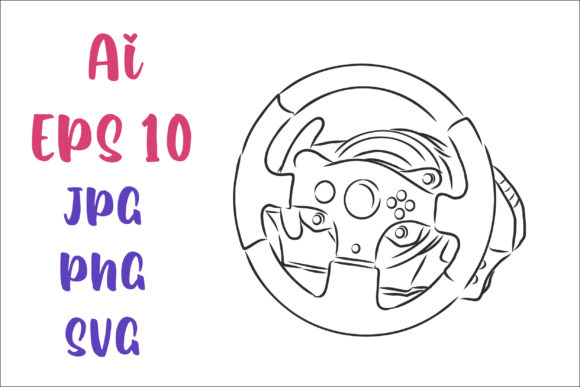
When it comes to game design, marketing materials, or digital illustration projects, having the right visual assets can make all the difference. The Steering Wheel for a Game Console Vector is a versatile graphic that can be used across multiple platforms and applications. Whether you're a seasoned designer or just starting out, understanding how to properly use and evaluate this type of vector asset can help you avoid costly mistakes and wasted time.
What Is a Steering Wheel for a Game Console Vector?
This vector graphic is a scalable, high-quality image of a steering wheel typically used in racing or driving-themed game interfaces. It's designed for use in video games, promotional graphics, UI/UX design, and more. Unlike raster images, vectors can be resized without losing clarity, making them ideal for both digital and print use. The package usually includes multiple file formats like AI, EPS 10, SVG, JPG, and transparent PNG, giving users flexibility depending on their project needs.
Common Mistakes When Choosing or Using Game Console Vectors
While the Steering Wheel for a Game Console Vector is a powerful tool, many users overlook key aspects that can affect their final output. Here are some common missteps and how to avoid them.
Mistake 1: Ignoring File Compatibility
Not all design software supports every file type. While SVG and EPS files are great for scalability, they may not open correctly in certain programs. AI files require Adobe Illustrator, while PNG and JPG can be used more universally. Before purchasing or downloading, always check which software you'll be using and ensure the file types are compatible.
Better Approach
Review your workflow and tools first. If you're using free or open-source software like Inkscape, SVG files are ideal. For professional Adobe users, AI and EPS files offer full editability. JPG and PNG are best for final presentation or web use.
Mistake 2: Overlooking Transparency Needs
Many users forget that not all PNG files come with transparent backgrounds. If you're placing a steering wheel graphic over a background image or color, transparency is essential. A non-transparent PNG will require extra editing to remove the background manually, which can be time-consuming and error-prone.
Better Approach
Always verify that the PNG files included are transparent and at 300 dpi for print quality. If unsure, look for product descriptions that specifically mention “transparent PNG” and check reviews or previews if available.
Mistake 3: Resizing Without Checking Vector Quality
One of the main benefits of vector files is that they scale infinitely without losing quality. However, some assets labeled as “vector” may actually be raster images embedded within a vector container. This means they can appear blurry when enlarged.
Better Approach
Before scaling, open the AI or EPS file in a vector editor and inspect the graphic. If you see pixelation or blurry edges when zooming in, it may not be a true vector. Always test scaling before integrating into a final design.
Mistake 4: Underestimating Print Requirements
Even if a JPG file looks great on screen, it may not be suitable for print. A 300 dpi resolution is standard for print media, but some users unknowingly download 72 dpi files, which will appear pixelated when printed.
Better Approach
Double-check that the JPG files included are indeed 300 dpi and CMYK color profile-ready for print. If you're unsure, ask the provider or test a small print sample before committing to a large run.
What to Check Before Downloading or Purchasing
Before you finalize your decision, consider the following checklist to ensure you're getting the most value and usability from your Steering Wheel for a Game Console Vector package:
- File Formats: Make sure the package includes AI, EPS 10, SVG, JPG, and transparent PNG files.
- Editable Layers: Confirm that the AI and EPS files are fully editable with separate layers for easy customization.
- Resolution: Verify that JPG and PNG files are 300 dpi for high-quality output.
- Compression: Check that all files are compressed in a ZIP folder and can be extracted using standard tools like 7-Zip or WinRAR.
- Licensing: Ensure the license allows for both personal and commercial use, especially if you're using the asset in a product or marketing material.
How to Use the Steering Wheel Vector Effectively in Your Projects
Whether you're creating a game interface, a promotional poster, or a website banner, here are some practical tips to get the most out of your vector asset:
- Customize Thoughtfully: Use the AI file to adjust colors, add textures, or modify shapes to better match your project’s style.
- Optimize for Web: If using on a website, convert the SVG file to a minimized format for faster loading times without sacrificing quality.
- Layer with Other Assets: Combine the steering wheel with other vector graphics like car silhouettes, speedometers, or digital HUD elements for a cohesive design.
- Test in Different Sizes: Preview the vector at various sizes to ensure it remains clear and recognizable, especially in mobile or UI contexts.
Final Thoughts
The Steering Wheel for a Game Console Vector is more than just a graphic — it's a tool that, when used correctly, can elevate your design projects and streamline your workflow. By understanding the nuances of file types, resolutions, and compatibility, you can avoid common frustrations and ensure your visuals look professional across all platforms. Take the time to evaluate your needs, double-check file details, and always test before finalizing your design. With the right approach, this versatile asset can become a staple in your creative toolkit.