Flower Color Matching Game: Strategic Value in Educational Design and Content Creation
For educators, content creators, and small business owners developing digital learning materials, the Flower Color Matching Game offers more than just visual appeal—it serves as a functional tool for engagement, cognitive development, and brand-aligned design. When integrated thoughtfully, this type of educational clip art supports not only early learning outcomes but also broader strategic goals in content positioning, audience communication, and product differentiation.
Understanding the Flower Color Matching Game
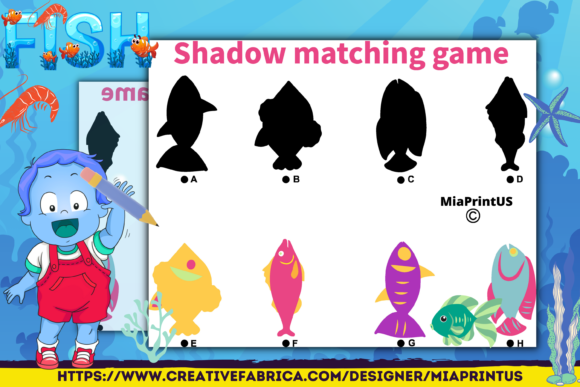
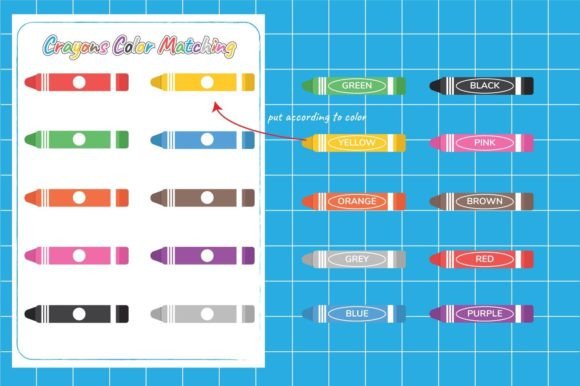
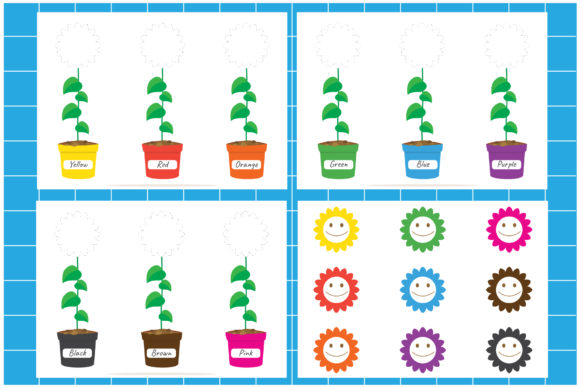
The Flower Color Matching Game is a ready-to-use digital asset designed for preschool and kindergarten learning environments. It typically includes printable JPG and EPS files at 300 DPI in A4 size, optimized for clarity and versatility. While its primary function is to support color recognition and matching skills, its strategic value lies in how it can be repurposed across educational materials, marketing assets, and interactive content.
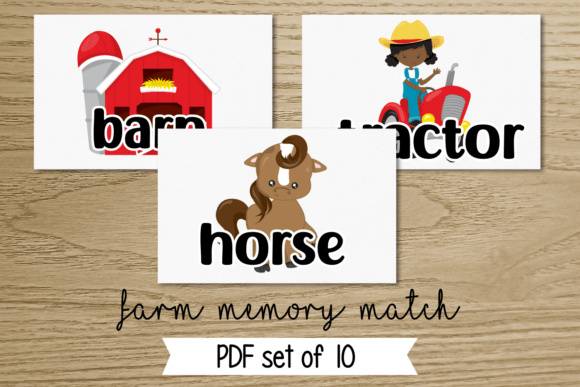
Unlike generic clip art, this resource is intentionally designed to be both visually engaging and functionally adaptable. Whether used in worksheets, games, or activity books, the Flower Color Matching Game serves as a bridge between aesthetic appeal and pedagogical purpose—making it a valuable asset for creators aiming to blend learning with brand identity.
Strategic Applications Across Industries
For educators and homeschooling parents, the Flower Color Matching Game provides a structured way to reinforce color identification and fine motor skills. However, its utility extends beyond the classroom:
- Content creators can use it as a base for downloadable activity packs, blog post visuals, or social media templates.
- Entrepreneurs launching educational product lines can integrate it into branded learning kits that stand out in competitive markets.
- Bloggers and publishers can embed it into interactive posts or lead magnets to increase engagement and email signups.
In each of these cases, the strategic value of the Flower Color Matching Game lies in its ability to enhance content relevance while supporting learning outcomes—without requiring extensive design time or technical expertise.
Planning for Long-Term Use and Scalability
Before incorporating the Flower Color Matching Game into your materials, consider how it aligns with your long-term content strategy. Ask yourself:
- Does this asset support the educational or developmental goals of my audience?
- Can it be adapted for multiple formats (print, digital, interactive)?
- Will it contribute to a consistent visual identity across my product line?
Answering these questions helps ensure that the resource is not just a one-off design element but a scalable component of your content ecosystem. For example, a homeschool curriculum creator might use the Flower Color Matching Game across multiple grade levels, adjusting complexity and integration based on developmental stages.
Positioning for Audience Engagement and Brand Alignment
One of the overlooked strategic advantages of using curated educational graphics like the Flower Color Matching Game is their ability to reinforce brand messaging. When used consistently across materials, such assets help establish a recognizable visual language that aligns with your brand’s educational mission.
For instance, if your brand emphasizes playful learning, the use of colorful, engaging visuals like the Flower Color Matching Game supports that positioning. It becomes more than just a worksheet—it becomes a signature element of your educational style.
Additionally, using high-quality, professionally designed clip art can differentiate your offerings in a saturated market. Many digital educators rely on free or generic images, which can dilute perceived value. By investing in premium assets like the Flower Color Matching Game, you signal attention to detail and educational intent.
Integrating into Workflow and Content Planning
When integrating the Flower Color Matching Game into your workflow, consider the following practical steps:
- Batch creation: Use the asset across multiple worksheets or activity pages to streamline design time.
- Template building: Incorporate it into reusable templates for newsletters, lesson plans, or promotional materials.
- Version control: Keep both EPS and JPG versions for flexibility across platforms and print needs.
By embedding this resource into your content creation process early, you reduce friction and increase consistency—both of which contribute to better long-term productivity and audience trust.
Understanding the Risks of Random Use
While the Flower Color Matching Game is a valuable tool, it's important to avoid using it without strategic intent. Throwing clip art into content without alignment to your message, audience, or goals can lead to:
- Visual clutter that distracts rather than supports learning.
- Misalignment with brand tone or educational objectives.
- Reduced impact due to overuse or inconsistent application.
For example, using the Flower Color Matching Game in a high school-level worksheet may feel out of place and undermine credibility. Similarly, placing it in unrelated contexts—such as a financial planning guide—can confuse your audience and dilute your message.
Maximizing Long-Term Value Through Intentional Design
To get the most out of the Flower Color Matching Game, treat it as part of your strategic design toolkit rather than a decorative afterthought. Consider how it contributes to:
- Learning outcomes: Does it reinforce key concepts or skills?
- Brand consistency: Does it align with your visual identity and messaging?
- Operational efficiency: Can it be reused or adapted without significant effort?
When used intentionally, the Flower Color Matching Game becomes more than a worksheet—it becomes a strategic asset that enhances engagement, supports learning, and strengthens your content offering.
Final Thoughts: Strategic Design for Real Results
In the world of digital education and content creation, small design choices can have a big impact. The Flower Color Matching Game exemplifies how a seemingly simple resource can support complex strategic goals—from improving early learning engagement to reinforcing brand identity and streamlining content production.
Whether you're a teacher creating materials for your students, a marketer building educational content, or an entrepreneur launching a digital product, the key is to use this resource with intention. Align it with your goals, integrate it thoughtfully into your planning, and leverage it for long-term value.
When you do, you're not just using a color matching game—you're building a smarter, more strategic approach to content creation and educational design.